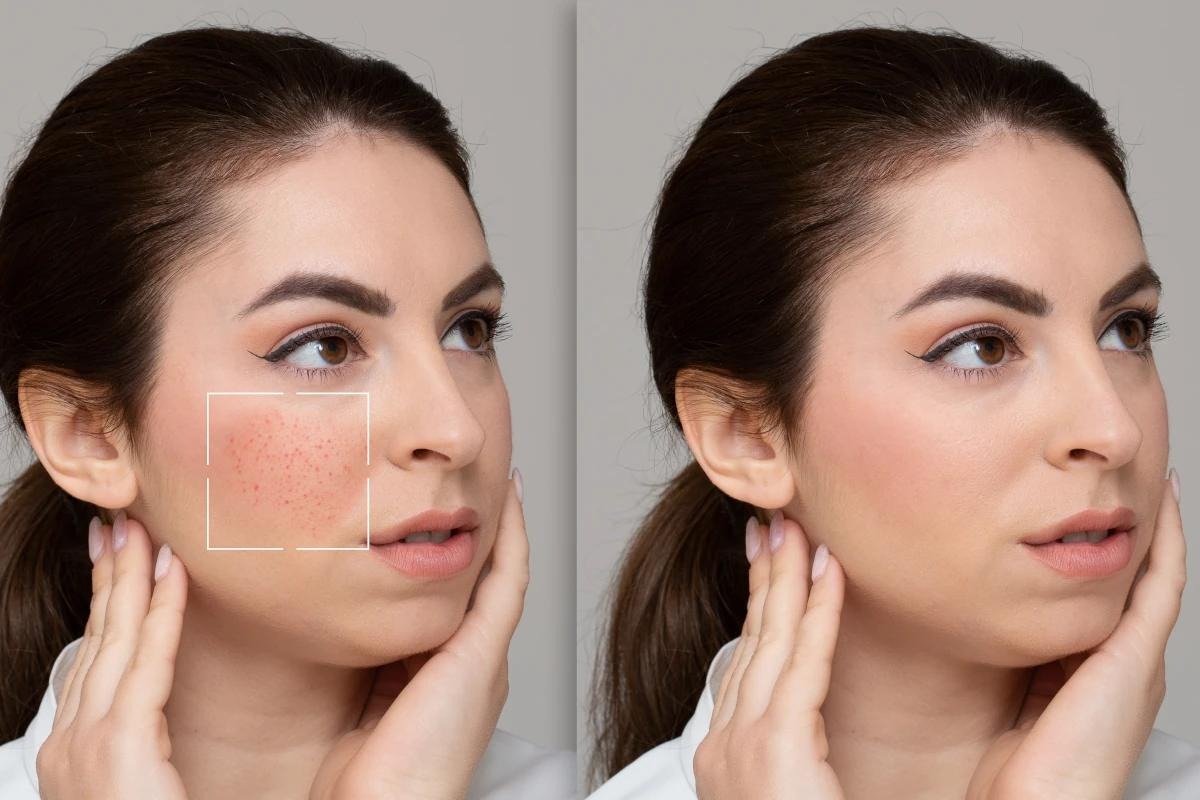
Facial redness is one of the most common skin concerns experienced by adults. While occasional flushing may occur after exercise, spicy foods, or exposure to heat, persistent redness can become a frustrating daily challenge. For many individuals, visible redness affects confidence and often proves difficult to conceal with skincare products alone.
Among the various conditions associated with facial redness, rosacea is one of the most frequently discussed. Characterized by persistent redness, visible blood vessels, and episodes of facial flushing, rosacea can significantly impact both appearance and comfort. Fortunately, advances in dermatology have led to the development of targeted treatments designed specifically to address redness and improve overall skin appearance.
What Causes Facial Redness?

Facial redness can develop for many reasons. In some cases, it may be temporary and triggered by environmental or lifestyle factors. In others, redness becomes chronic and requires ongoing management.
Common causes include:
- Rosacea
- Sensitive skin
- Sun damage
- Temperature changes
- Emotional stress
- Alcohol consumption
- Certain skincare products
- Inflammatory skin conditions
While occasional redness is normal, persistent redness often indicates underlying vascular or inflammatory processes within the skin.
Understanding Rosacea
Rosacea is a chronic skin condition that primarily affects the central face, including the cheeks, nose, chin, and forehead. Although its exact cause remains unclear, researchers believe that genetics, immune system activity, and vascular sensitivity may all contribute to its development.
Common symptoms include:
- Persistent facial redness
- Frequent flushing
- Visible blood vessels
- Skin sensitivity
- Burning or stinging sensations
- Occasional bumps and blemishes
Rosacea symptoms can vary significantly from person to person. Some individuals experience mild redness, while others deal with more noticeable and persistent symptoms.
Why Redness Can Be Difficult to Manage
Unlike temporary irritation, chronic facial redness often involves changes within the skin’s blood vessels. These vessels may dilate more easily, resulting in visible redness that remains present even when obvious triggers are avoided.
Several factors can contribute to worsening symptoms:
Sun Exposure
Ultraviolet radiation is one of the most common rosacea triggers and may intensify redness over time.
Heat and Temperature Changes
Hot weather, saunas, hot showers, and rapid temperature fluctuations can trigger facial flushing.
Certain Foods and Drinks
Spicy foods, hot beverages, and alcohol are commonly reported triggers among individuals with rosacea.
Emotional Stress
Stress and anxiety may increase facial flushing in susceptible individuals.
Because triggers differ from person to person, identifying individual patterns often becomes an important part of long-term management.
The Emotional Impact of Persistent Redness
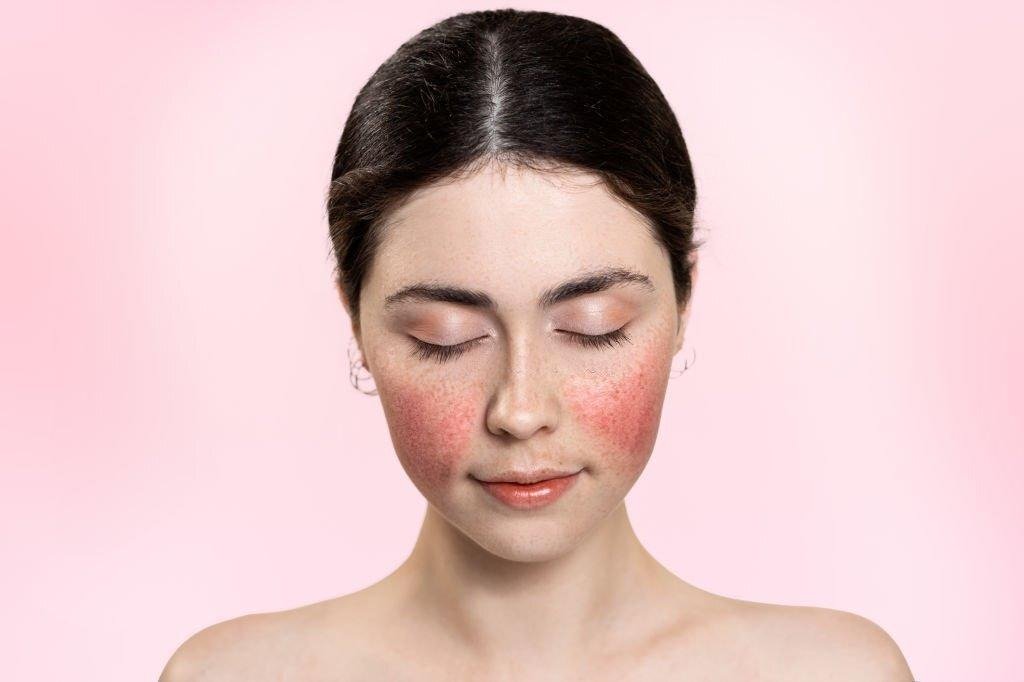
Although facial redness is not typically dangerous, its effect on confidence can be significant.
Many individuals report feeling self-conscious during social interactions, professional meetings, or public appearances. The unpredictability of flare-ups can also create frustration, especially when redness appears without warning.
For this reason, many people seek treatment options that specifically target facial redness rather than simply covering it with makeup.
Modern Approaches to Redness Management
Managing chronic redness often requires a combination of skincare habits and targeted treatments.
A comprehensive approach may include:
- Gentle cleansing
- Daily sun protection
- Trigger avoidance
- Barrier-supportive moisturizers
- Redness-focused topical treatments
When used consistently, these strategies can help improve comfort and support a more balanced skin appearance.
The Role of Brimonidine in Redness Reduction
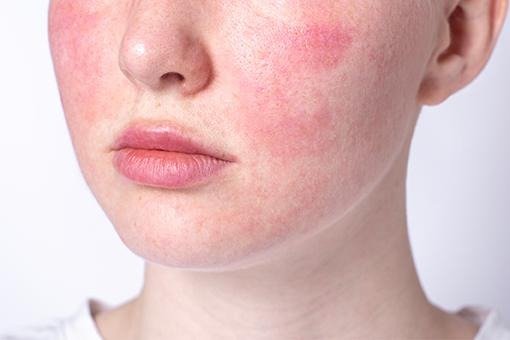
One of the more specialized approaches to facial redness management involves brimonidine.
Brimonidine works differently from many traditional skincare ingredients. Rather than focusing primarily on inflammation, it acts on blood vessels within the skin. By temporarily narrowing certain superficial blood vessels, it may help reduce the visible appearance of redness.
This targeted mechanism has made brimonidine a popular option among individuals looking to improve the appearance of persistent facial redness associated with rosacea.
Supporting a Healthy Skin Barrier
Individuals dealing with redness often have sensitive skin that reacts easily to environmental factors.
Maintaining a healthy skin barrier can help minimize irritation and improve overall skin comfort.
Helpful practices include:
Using Gentle Cleansers
Harsh cleansers can strip the skin of natural oils and increase sensitivity.
Moisturizing Regularly
Hydrated skin tends to tolerate environmental stressors more effectively.
Avoiding Over-Exfoliation
Excessive exfoliation may weaken the skin barrier and contribute to additional redness.
Choosing Fragrance-Free Products
Many individuals with sensitive skin prefer products formulated without strong fragrances or unnecessary irritants.
Identifying Personal Triggers
Although treatment products can play an important role, identifying triggers remains a valuable strategy.
Keeping a simple journal may help track factors associated with flare-ups, such as:
- Specific foods
- Weather conditions
- Skincare products
- Stressful situations
- Exercise intensity
- Alcohol consumption
Over time, recognizing patterns may make it easier to reduce the frequency of redness episodes.
Choosing a Targeted Redness Solution
As awareness of rosacea and facial redness continues to increase, many individuals seek products specifically formulated to help manage visible redness.
One option frequently selected for redness-focused skincare routines is Erythego Gel (Brimonidine 0.33%). Brimonidine-based formulations are commonly used by individuals looking to reduce the appearance of persistent facial redness and improve overall skin appearance as part of a comprehensive rosacea management strategy.
For those struggling with chronic redness, targeted products may offer an additional tool alongside proper skincare and trigger management.
Common Mistakes That May Worsen Redness
Many people unknowingly adopt habits that aggravate sensitive skin.
Using Too Many Active Ingredients
Combining multiple strong products may increase irritation and worsen redness.
Skipping Sunscreen
Sun exposure is one of the most common triggers associated with persistent redness.
Frequent Product Switching
Constantly changing skincare products can make it difficult to determine what is helping or causing irritation.
Aggressive Scrubbing
Rough cleansing techniques may further irritate already sensitive skin.
Long-Term Skin Care for Sensitive Complexions
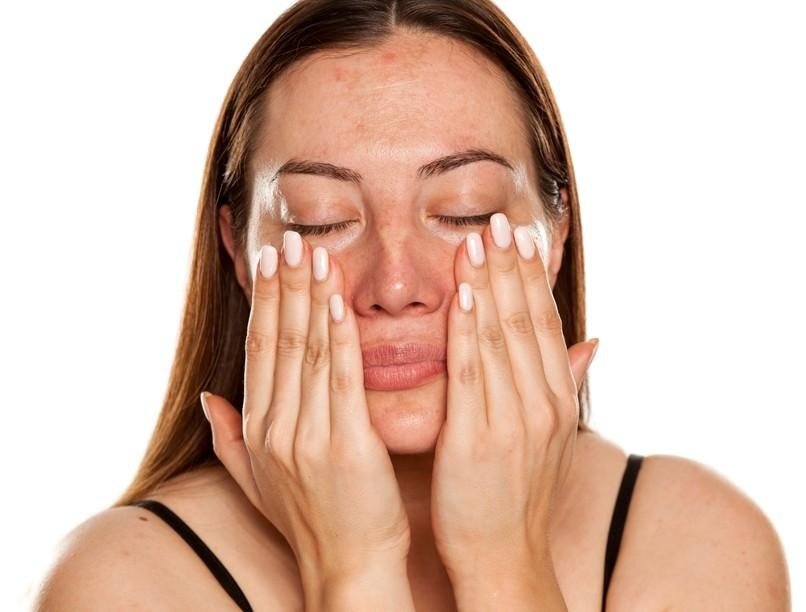
Managing redness is often a long-term process rather than a quick fix.
Individuals who experience the greatest success typically focus on consistency and skin health rather than seeking overnight results.
A long-term strategy often includes:
- Gentle skincare
- Trigger awareness
- Daily moisturization
- Consistent sun protection
- Targeted redness management
Over time, these habits can help support healthier-looking skin and improved confidence.
Final Thoughts
Persistent facial redness can be frustrating, particularly when it affects daily comfort and self-confidence. Whether associated with rosacea, sensitive skin, or vascular reactivity, redness often requires a targeted and consistent approach.
Modern dermatology has introduced specialized ingredients such as brimonidine that specifically address visible redness, offering individuals additional options for managing this common concern. Combined with gentle skincare habits and trigger awareness, redness-focused treatments may help support a calmer, more balanced complexion over time.
Featured Image
About the Author