mexican hot chocolate
Have you ever wondered why traditional hot chocolate in Mexico tastes so different from the typical sweet cocoa mix? The secret lies in a rich heritage that spans thousands of years. Mexican hot chocolate is more than just a warm winter drink. It is a bold, aromatic, and deeply comforting beverage crafted with real cacao, warm cinnamon, and a kick of spice. Whether you sip it on a chilly morning or serve it during festive holidays, this spiced drink offers a cozy feeling in every single cup.
Many people grow up drinking instant cocoa powder mixed with hot water or plain milk. While that can be sweet, it lacks the complex depth and creamy texture of a traditional preparation. Genuine Mexican hot chocolate relies on solid dark chocolate disks ground with roasted cacao nibs, cane sugar, and Ceylon cinnamon. When whisked continuously over medium heat, it forms a frothy, velvety top layer that sets it apart from any standard chocolate drink. In this guide, you will learn everything about its fascinating history, essential ingredients, health benefits, and step-by-step preparation tricks.
Table of Contents
What Makes Mexican Hot Chocolate So Unique?
The main factor that sets Mexican hot chocolate apart from conventional hot cocoa is its distinctive texture and flavor profile. Standard American hot chocolate often relies on fine cocoa powder, excess sugar, and heavy cream to achieve sweetness. In contrast, traditional Mexican hot chocolate uses coarse chocolate paste blended directly with warm cinnamon, almonds, and subtle chili peppers. This combination produces a delightful balance of sweet, woody, and gently spicy notes that warm your throat instantly.
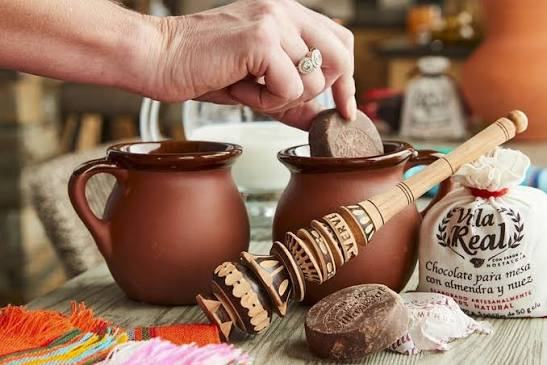
Another distinctive feature is the traditional froth created on top of the beverage during preparation. Authentic Mexican hot chocolate is not simply stirred with a standard metal spoon. Instead, cooks use a wooden hand tool called a molinillo to whip the hot milk and dissolved chocolate disks vigorously. Twirling this carved stick between your palms creates a rich, airy foam that locks in delicate aromas. This ceremonial whisking method transforms a simple beverage routine into a mindful, satisfying culinary tradition.
A Brief History of Cacao in Ancient Mesoamerica
Long before European settlers arrived in the Americas, ancient civilizations like the Olmecs, Mayans, and Aztecs revered the cacao tree. To these ancient cultures, cacao beans were so valuable that they were used as currency across trading routes. Cacao was considered a divine gift from the gods, reserved primarily for royalty, brave warriors, and sacred spiritual ceremonies. The ancient Mayans prepared a thick, bitter beverage called xocolatl, which translates roughly to bitter water.
Unlike the sweet beverages we enjoy today, ancient xocolatl was consumed cold or at room temperature and was not sweetened with sugar. Instead, ancient cooks blended crushed cacao beans with water, native chili peppers, wild herbs, and toasted cornmeal for extra thickness. They poured the liquid back and forth between high pitchers to generate a thick foam. When Spanish explorers arrived in the sixteenth century, they introduced cane sugar, vanilla, and milk, transforming the ancient potion into the beloved warm Mexican hot chocolate we know today.
Essential Ingredients in Authentic Mexican Hot Chocolate
To make true Mexican hot chocolate in your own kitchen, you need to understand its key components. At the center of the drink is authentic dark chocolate made from roasted cacao nibs mixed with coarsely ground sugar and cinnamon. Popular commercial brands like Ibarra and Abuelita offer pre-packaged solid chocolate disks that dissolve smoothly in hot liquids. However, artisan chocolatiers also create hand-ground cacao blocks using heirloom beans and pure organic spices for superior flavor.
In addition to the core chocolate base, the surrounding spices play an equally crucial role. Ceylon cinnamon, often known as soft-bark or Mexican cinnamon, adds a subtle floral sweetness that differs from harsh cassia cinnamon. A tiny dash of cayenne pepper or ancho chili powder introduces an intriguing layer of warmth without making the drink uncomfortably spicy. Whole milk or fresh plant-based alternatives like oat milk provide a silky background that allows all these bold aromatics to shine harmoniously.
Detailed Profile Table
| Category | Characteristic Details |
| Primary Focus | Authentic Mexican Hot Chocolate |
| Origin Region | Mesoamerica (Modern-Day Mexico) |
| Key Flavor Notes | Rich cacao, sweet cinnamon, subtle chili spice, toasted nuts |
| Primary Base | Solid cacao disks, coarse cane sugar, Ceylon cinnamon |
| Traditional Tool | Hand-carved wooden molinillo whisk |
| Common Pairings | Pan dulce (sweet bread), fresh churros, tamales |
| Best Serving Temp | Steaming hot with a rich foam head |
Step-by-step Guide to Making Mexican Hot Chocolate at Home
Making a batch of homemade Mexican hot chocolate is simple and requires only a few basic steps. Start by heating four cups of whole milk or your favorite dairy-free milk substitute in a medium saucepan over medium heat. Keep a close eye on the stove to ensure the milk slowly warms up without coming to a violent boil or burning at the bottom of the pot.
Next, break one standard disk of authentic Mexican hot chocolate into smaller pieces and drop them directly into the warm liquid. Add a tiny pinch of ground cayenne pepper, half a teaspoon of pure vanilla extract, and a fresh cinnamon stick. Lower the heat and let the ingredients steep together for roughly five minutes, stirring occasionally with a spoon until the dark chocolate disk dissolves completely into the milk.
Once the chocolate has melted, submerge your wooden molinillo or a standard wire whisk into the center of the saucepan. Roll the handle between your open palms rapidly to create a thick, velvety foam on top of the liquid. Once the mixture is steaming and nicely frothy, remove the cinnamon stick carefully. Pour the rich drink into warm ceramic mugs and serve immediately alongside fresh baked goods.
Health Benefits of Drinking Real Dark Cacao
Drinking real Mexican hot chocolate made with high-percentage dark cacao offers several surprising health benefits. Pure cacao is naturally rich in powerful plant antioxidants known as flavonoids. Flavonoids help combat oxidative stress in the body, support smooth blood circulation, and promote overall heart health. Choosing high-quality chocolate disks with lower refined sugar content allows you to enjoy these protective nutrients in every hot cup.
Furthermore, authentic spices like Ceylon cinnamon and chili pepper bring their own wellness properties to the table. Cinnamon is widely recognized for supporting healthy blood sugar balance and reducing inflammation in body tissues. Chili peppers contain capsaicin, a natural compound that can boost metabolism and stimulate digestion. When combined with warm milk, this nutrient-dense beverage delivers both physical comfort and wholesome nourishment.
Common Variations and Flavor Twists
While classic recipes rely on simple milk, sugar, cinnamon, and cacao, you can easily customize your Mexican hot chocolate to suit personal tastes. For an extra rich dessert experience, substitute one cup of heavy cream or evaporated milk for a portion of the liquid base. This simple tweak creates a silky consistency reminiscent of European drinking chocolate, making it perfect for cold celebrations.
If you enjoy adventurous flavor combinations, consider adding a drop of pure almond extract, orange zest, or ground nutmeg. Espresso lovers can pour a fresh shot of dark coffee into their mug to create a spiced mocha drink. Plant-based enthusiasts can use unsweetened almond, coconut, or oat milk to maintain a creaminess that compliments the bold spices without overpowering the pure cacao notes.
Traditional Pairings: What to Serve Alongside
To enjoy Mexican hot chocolate like a local, pair your warm mug with traditional Mexican baked goods. One of the most classic food matches is a plate of hot, crispy churros dusted with cinnamon sugar. Dipping a crunchy churro directly into the thick, spiced chocolate foam allows the pastry to absorb the rich liquid while preserving its crispy texture.
Another popular pairing option is a assortment of colorful pan dulce, such as traditional sweet shell-patterned conchas. The soft, pillowy texture and sugary topping of a fresh concha provide a delicious balance to the earthy spiced notes of the hot drink. During festive winter holidays like Día de los Muertos or Las Posadas, families often serve warm mugs of Mexican hot chocolate alongside savory pork or cheese tamales.
The Cultural Significance of Spiced Cacao
In Mexican culture, hot chocolate is far more than a simple breakfast or bedtime beverage. It plays a central role in family gatherings, social rituals, and seasonal festivals across the country. Preparing a pot of warm Mexican hot chocolate signifies hospitality, care, and family unity. It is commonly served during evening catch-ups on the patio, religious celebrations, and peaceful morning breakfasts with loved ones.
During traditional winter holiday events, huge clay pots filled with steaming spiced cacao simmer on kitchen stoves for hours. The inviting aroma of sweet cinnamon and roasted cacao fills the entire house, welcoming guests from near and far. Sharing a handcrafted mug of this traditional beverage allows generations to connect with ancestral customs while creating warm memories around the table.
Troubleshooting Common Making Errors
Although preparing Mexican hot chocolate is straight-forward, a few simple errors can spoil the final texture. The most common mistake is overheating or scorching the milk. Using high heat can cause dairy proteins to burn at the bottom of the pot, leaving a bitter taste. Always warm your liquid slowly over low or medium heat while stirring steadily.
Another common issue is failing to produce that signature frothy layer on top. If you do not own a traditional wooden molinillo, a standard wire whisk or electric hand frother works great. Be sure to whisk vigorously right before serving so the ground chocolate paste stays evenly suspended in the liquid instead of settling down at the bottom of your mug.
Frequently Asked Questions
What makes Mexican hot chocolate different from normal hot chocolate?
Mexican hot chocolate uses coarse chocolate disks made with roasted cacao, cane sugar, and Ceylon cinnamon. It often includes subtle spices like chili pepper and is whipped until frothy using a traditional wooden whisk called a molinillo.
Is Mexican hot chocolate supposed to be spicy?
It usually has a very gentle background warmth rather than an intense spicy heat. A small pinch of cayenne pepper or ancho chili enhances the deep chocolate flavor without making the drink unpleasantly hot.
Can I make Mexican hot chocolate without milk?
Yes, you can easily use plant-based milk alternatives like oat milk, almond milk, or coconut milk. Water was actually the original base used by ancient Mesoamerican cultures to brew traditional cacao drinks.
Where can I buy authentic Mexican hot chocolate disks?
You can find popular commercial brands like Abuelita and Ibarra in the Hispanic aisle of most major grocery stores. Authentic handmade artisan cacao disks are also available at specialty Mexican markets and online retailers.
Why is a molinillo used to prepare this drink?
A molinillo is a hand-carved wooden whisk designed to break down solid chocolate disks while introducing air into the liquid. Twirling the stick creates a thick, luxurious foam that releases rich aromatic spices.
Can I store leftover Mexican hot chocolate for later?
Yes, you can store leftover hot chocolate in a sealed container in the refrigerator for up to three days. Simply reheat it gently on the stove over low heat and whisk it again before serving to restore the froth.
Conclusion
Mexican hot chocolate offers a delicious journey through history, flavor, and rich cultural tradition. By combining simple ingredients like quality cacao, Ceylon cinnamon, and a hint of warm spice, this drink elevates simple hot cocoa into a truly memorable culinary experience. Making it at home is easy, rewarding, and deeply comforting for friends and family alike.
Now that you know the rich history and simple preparation steps, why not try crafting your own steaming batch tonight? Grab a chocolate disk, warm up your favorite milk, and whip up a frothy cup to enjoy with loved ones. Share your thoughts or favorite flavor variations in the comments below!
About the Author