Royal news has a way of captivating people like nothing else. Whether it’s a grand ceremony, a political shift, or a simple family moment that somehow becomes global headlines, anything connected to royalty tends to travel fast. Even in an age dominated by technology, influencers, and fast-moving trends, the mystique of monarchy still holds strong. In this article, we’ll explore why royal news remains so relevant, how modern monarchies continue to evolve, and what makes people across continents so endlessly interested in royal lives.
The Timeless Appeal of Royal Families
Royal news taps into a unique blend of history, culture, and human curiosity. For centuries, monarchs were the center of political power, and even though many now serve symbolic roles, the traditions surrounding them remain deeply embedded in society. People don’t just follow royal updates for the glamour — there’s a kind of storytelling element that feels almost mythological.
One major reason royal news continues to attract attention is the public’s fascination with legacy. Monarchies are built around succession, tradition, and heritage — things that many modern institutions lack. While companies rise and fall, and political leaders come and go, royal families often span centuries of continuity. That sense of permanence makes their stories feel grand, even when the news is something relatively simple.
Another contributing factor is the emotional connection. Royals, despite their elevated status, are still people with human experiences — marriages, births, challenges, and conflicts — and the public watches these moments with a blend of admiration and curiosity. It’s a bit like following a real-life drama series that never ends. Except unlike fiction, these events are embedded in real culture, national pride, and international symbolism.
How Modern Monarchies Are Evolving With the Times
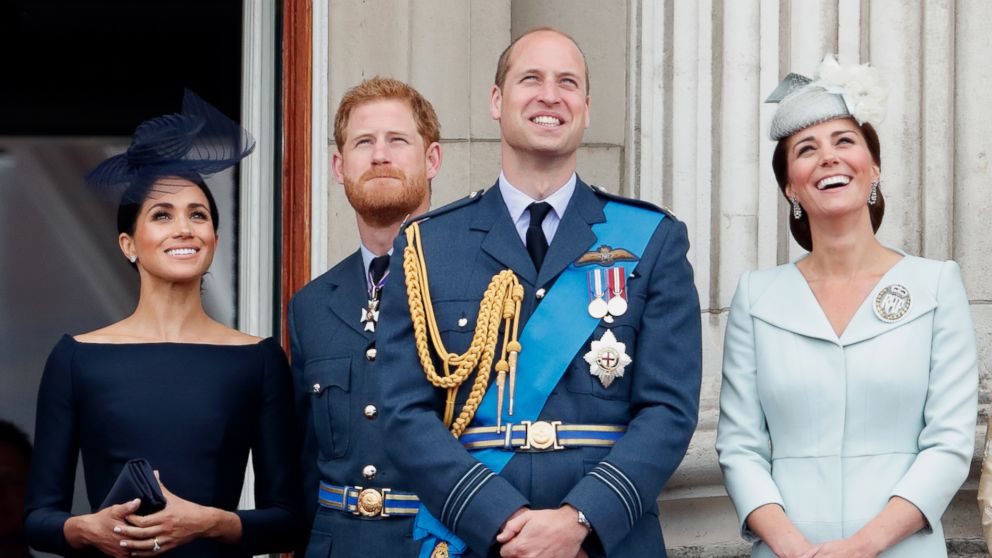
While royal families were once seen as powerful political figures, the role of monarchy has evolved dramatically. In many countries today, royals serve as cultural representatives rather than direct rulers. This shift has also changed the nature of royal news. Instead of policy decisions, audiences now follow humanitarian work, public appearances, and symbolic events — areas that allow royals to build personal and national connections.
Modern monarchies have also become far more open in how they communicate with the public. Social media, livestreamed events, and global media coverage have transformed the relationship between royals and the people who follow them. Instead of viewing royalty as distant figures living in isolated palaces, audiences now expect a certain level of visibility, relatability, and modern engagement.
Yet, this shift comes with challenges. The constant public attention means royal families must balance tradition with contemporary expectations. They are guardians of historical legacy, but they also need to resonate with younger generations who want transparency and authenticity. This balancing act creates a steady stream of news — from discussions about modernization to debates on how much royal life should be shared publicly.
Interestingly, this evolution has led many monarchies to redefine their purpose. Royal news today often highlights philanthropic work, support for global causes, and cultural preservation. These roles serve to maintain relevance while honoring tradition, and they help position royals as important figures in national identity rather than political power.
Why Royal Headlines Spread Faster Than Almost Any Other News
There’s something undeniably magnetic about royal headlines, and their rapid spread across the world isn’t accidental. Global media outlets know that anything related to royalty — even the smallest update — can generate enormous attention. But the deeper reason lies in how royal stories resonate across cultures.
One reason royal news spreads so quickly is that it appeals to a universal sense of curiosity. Even people who don’t follow political news or entertainment updates often find themselves reading about royal events simply because they feel historic or symbolic. A royal wedding, for example, isn’t just a marriage — it’s a cultural moment watched by millions.
Another factor is the storytelling aspect behind royal events. Monarchies carry centuries of narratives, and every new headline becomes a continuation of that long story. People love stories with lineage, conflict, tradition, and transformation — and royal news delivers all of these elements naturally. A new generation being introduced, a shift in the family’s public roles, or a major ceremonial event instantly becomes part of a larger historical arc.
Additionally, royal news generates conversation because it blends elegance with relatability. Royal life may seem glamorous, but the emotions involved — love, duty, responsibility, family conflict — are universal. That human element makes people feel connected to stories happening thousands of miles away.
The Cultural Impact of Royal Coverage Around the World
Royal news doesn’t just inform — it shapes culture, influences trends, and even affects tourism. Countries with monarchies often see their royal families as ambassadors of national identity. Their ceremonies, anniversaries, and traditions become celebrations that bring people together and reinforce cultural heritage.
In many places, royal influence extends into fashion, philanthropy, and social causes. The clothing choices of royal figures often inspire trends, while their public support of charities brings global attention to important issues. This cultural impact ensures that royal news remains relevant even in countries without monarchies.
Furthermore, royal events can be powerful economic drivers. Major celebrations, coronations, and jubilees attract visitors from around the world, generating revenue for local businesses, tourism sectors, and cultural institutions. This economic impact is part of what makes royal news more than simple entertainment — it has real-world significance.
The symbolism of royal traditions also serves as a source of national unity. Even people who don’t closely follow royal families may still feel a sense of pride or emotional connection during major royal occasions. This emotional resonance keeps royal news deeply rooted in cultural consciousness.
The Future of Royal News in a Digital, Fast-Paced World
As society becomes increasingly digital, royal news is also transforming. Social media has made royal activities more accessible, but it has also created new complexities. Every appearance, speech, or gesture is instantly analyzed by millions of viewers. Royals must now navigate a world where public expectations are higher, and scrutiny is constant.
Despite this, the future of royal news looks strong. Younger generations within royal families are adapting to modern media, using platforms to highlight charitable work, connect with followers, and share carefully chosen personal moments. This approach helps maintain the relevance of monarchy in a rapidly changing world.
Another future trend is the growing interest in the cultural and historical aspects of royalty. Instead of only following individual figures, people increasingly seek to understand the traditions, symbolism, and national importance behind royal institutions. This shift creates richer, more meaningful coverage that goes beyond simple headlines.
In many ways, royal news will likely continue blending tradition with modern storytelling. The world may be fast-paced and technology-driven, but the fascination with monarchy remains timeless. As long as people are drawn to history, legacy, and the idea of tradition surviving through generations, royal news will remain a global conversation.
Final Thoughts
Royal news continues to captivate the world for many reasons: its historical depth, its human relatability, and the ongoing evolution of modern monarchies. Even in a digital age filled with rapid trends and changing interests, royal stories offer something lasting — a connection to culture, heritage, and identity.
Whether people follow royal news for the ceremonies, the symbolism, or simply the stories, one thing is clear: the world’s fascination with monarchy is far from fading. And as royal families continue to evolve, the narratives around them will only grow more interesting.
About the Author